洞察力
What Does an Into-Plane Operation Really Cost to Run?

苏拉杰-辛格
i6 Group营销总监

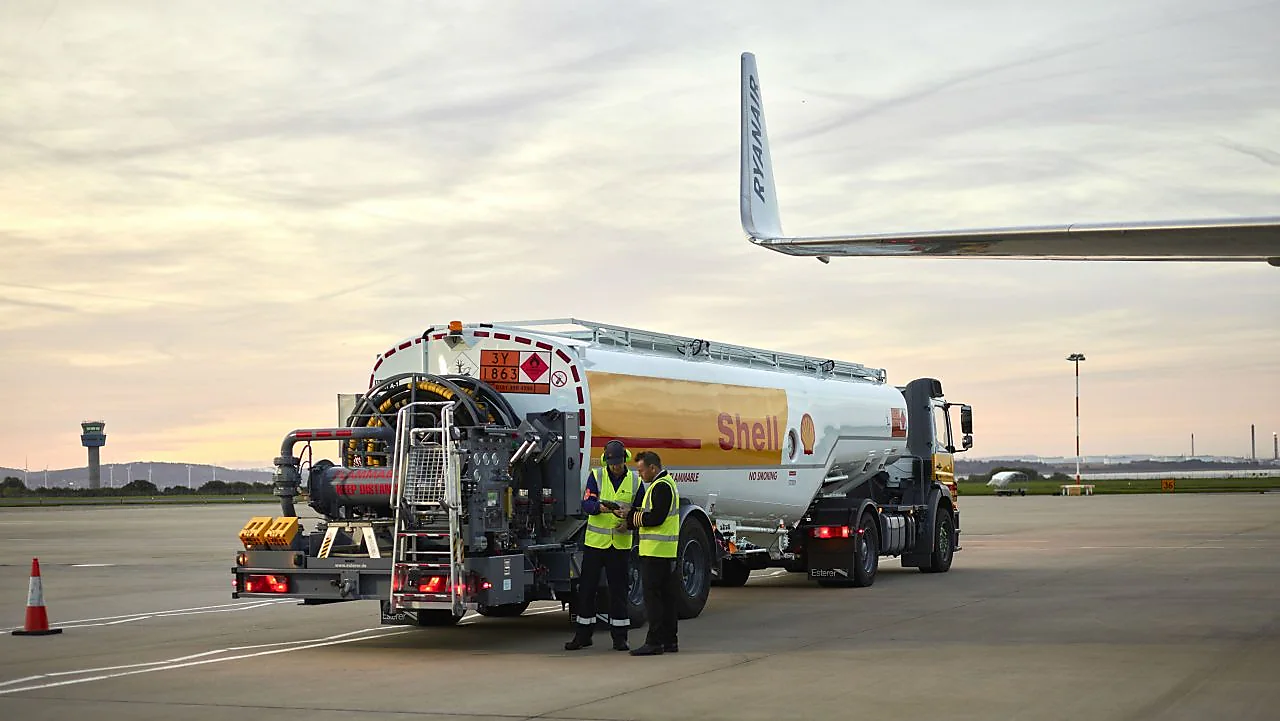
Most of what an into-plane operation costs sits outside the price of the vehicle. It tends to hide in four places:
Conversations about cost of ownership on the apron usually start with the vehicle: what it costs to buy, maintain and keep compliant over its life. That matters. But a vehicle only earns its keep when the people, schedules and data around it are working too, and that's where a lot of cost goes unseen.
Take two sites, one running six vehicles and one running ten. Is the bigger site busier, or just carrying more slack? Without shared data across sites, it's hard to say.
When every fueling is recorded digitally, you can compare orders per vehicle and per shift across your network. Underused vehicles and stretched crews show up quickly, and so do the sites where one more truck would make a real difference.
Peaks get the attention. The gaps between them rarely do. When dispatch runs on whiteboards, radios and memory, nobody sees the 40 minutes where a crew and a vehicle sat free.
A live view of who is where, and what's coming next, turns those gaps into capacity. That can mean taking on extra flights with the fleet you already have, rather than adding another vehicle.
Handwritten delivery tickets and meter readings typed in later leave room for mistakes. Each one can turn into a disputed invoice, a billing delay or a penalty under a service agreement.
Manual handovers cost time too. When the fuel order or final figure has to be passed on in person and someone isn't where they're expected to be, the aircraft waits.
Removing those manual steps removes the margin for error. Meter-linked tablets capture figures at the source, and eHandshake replaces the paper sign-off between pilot and fueler at the aircraft.
After going digital with i6, Menzies cut fuel-on-board errors ninefold at London Gatwick. Fuel loads now land about 140 liters closer to target per flight, saving roughly $14 and 35 kg of CO2 each time. Across their 2025 fuel orders at that one station, that adds up to about $0.4 million and 1,000 metric tons of CO2.
Some costs are too small to notice one at a time: water checks after heavy storms, or sediment building up in piping until flow rates drop and every fueling takes a little longer.
Across a fleet and over several years, they add up. When checks are logged on paper, the pattern is hard to see. When they're logged digitally, you can spot which vehicles and sites keep coming back, and plan maintenance before it slows the operation.
The true cost of an into-plane operation sits in the vehicle and in how well your people and data work around it. You need both to manage it.
We're covering both halves in a joint webinar with Shell Aviation Technical Services on Thursday, January 28. Shell's team will cover vehicle cost of ownership, and i6 will look at the people, scheduling and fuel data around it. Register for the webinar, or get in touch with i6 to talk about your operation.